

Are Books Still Relevant When Reading Is Everywhere?
The Lifelong Learner understands the Current Value of the Book

Every new medium revives the same question: if we already read everywhere, on phones, blogs, and social feeds, what special role do books still play? Are they relics of an older knowledge system, replaced by faster, livelier formats? I don’t think so. Books haven’t vanished; they’ve become clearer in purpose. They’re no longer the only vessel for information but the best vessel for depth.

Today's reading is quick and primarily ambient: headlines, threads, comments, and search results. This kind of reading is excellent for breadth and recency. It helps us keep our bearings in the stream. However, another type of reading, immersive and sustained, asks us to consider multiple ideas, trace an argument from beginning to end, and weigh counterpoints. That kind of reading is where books still shine.
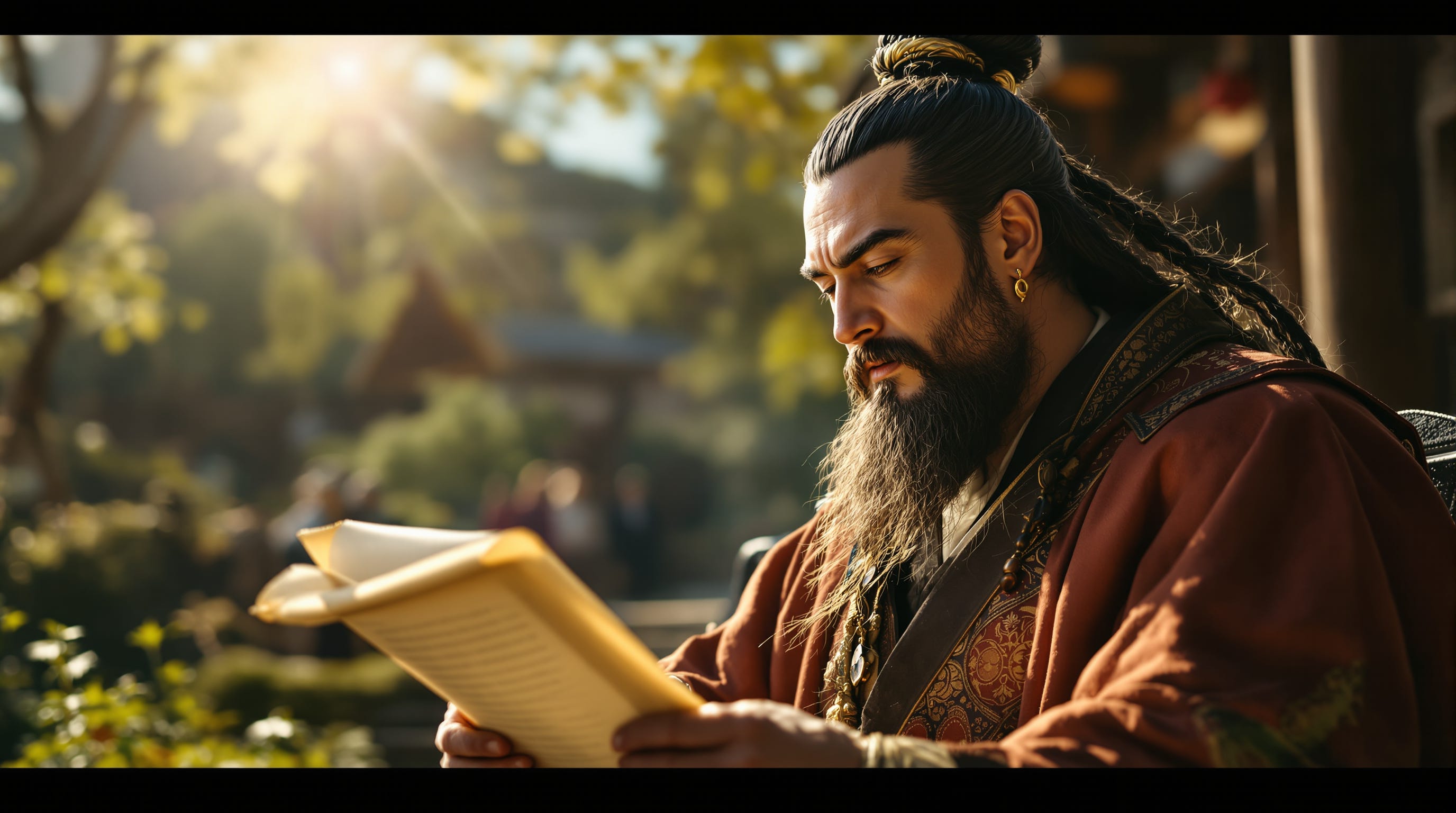
Why did we invent books? Before the codex, knowledge was fragile and spoken from memory or scattered across scrolls that were hard to copy and navigate. The book made ideas durable and portable. It stabilized texts to be reliably shared, cited, and built upon. With the printing press, the effect was civilizational: science accelerated because texts could be compared and corrected; law matured because statutes could be standardized; education scaled because fixed curricula could circulate. Books became time capsules of understanding; one mind writing to another across centuries.

That function hasn’t disappeared. News, basic reference, and casual entertainment have been unbundled. Blogs are nimbler for commentary. Social media is unmatched for discovery and conversation. Video and interactives make dynamic or spatial concepts instantly clear. These aren’t replacements; they’re complements. The stream shows you what’s happening and who’s thinking about it. Books show you how the pieces fit and why they matter.
The unique value of books begins with coherence. A good book doesn’t just stockpile facts; it arranges them into a structure your mind can inhabit. It gives you context, evidence, counterargument, and synthesis. A narrative arc that builds durable mental models. That’s the difference between recognizing terms and owning ideas. Books also benefit from editorial craft and scrutiny. They’re not perfect, but the process tilts the odds toward clarity and reliability.

There’s a cognitive dimension, too: sustained attention is a muscle, and books are its gym. Long-form reading trains you to track complexity without splintering your focus. In an age of snippets, that discipline is an advantage. It’s easier to be persuaded by fragments than by an argument you’ve walked through step by step. Books help restore context.
Books also offer stability. Feeds scroll. Links rot. Algorithms change their minds. A book, printed or well-archived, gives you a fixed point in a shifting landscape, a reference you can revisit, teach from, and build on years later. Societies need stable anchors to deliberate about science, ethics, history, and law. Without them, public reasoning dissolves into vibes.

So are books still relevant? Absolutely, but for the right purposes. You'll start with preprints, posts, and threads if you want to track breaking developments in CRISPR or the latest cancer trials. That’s your radar. But to truly understand a field, the mechanisms, trade-offs, and decision trees, you eventually need a book-length structure: review chapters, monographs, and carefully argued syntheses. If you’re learning a complex surgical workflow like the Whipple, videos and animations are invaluable for spatial comprehension, but long-form texts consolidate the anatomy, complications, and perioperative strategy.
The most effective learners mix layers:
The stream for awareness.
Articles for focused updates.
Books for frameworks and mastery.
The point isn’t to romanticize books or dismiss new media. The healthiest intellectual life is an ecosystem, not a hierarchy. Let the stream expose you to diverse voices and fresh debates. Then, books can be used to build the frameworks that make those voices and debates endure.

Reading is everywhere, but not all reading does the same work. Fast formats help us keep pace with the moment, while books help us keep faith with the long arc of understanding.
Keep a hungry mind. Learn safely and do great things.
"... sustained attention is a muscle, and books are its gym."
Goodness this muscle has become a little weak I must admit. As the decades have continued, I find I am interested in so much more and I have "lost" the skill and muscle of really diving in.
I appreciate your essay. Beautifully written.